
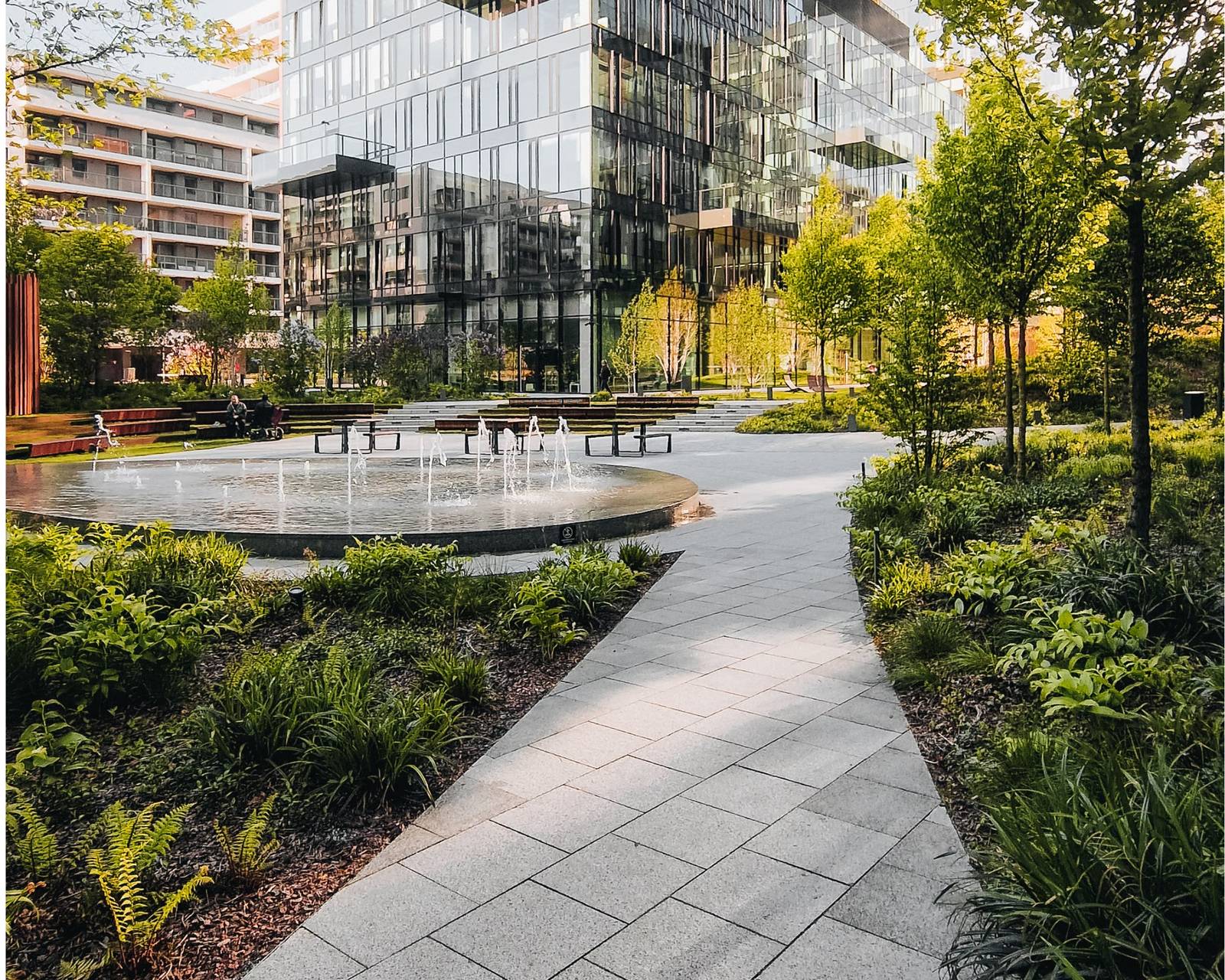
Walk through any nursery in spring and the trends are easy to spot. Whatever’s popular this year gets stacked up front. Plenty of property owners who search for ‘commercial landscaping near me’ show up with a color scheme and a few photos from a magazine. That’s a fine starting point. It’s just not the right one.
A trend fades in a few seasons. A plant stays on your property for years, or dies on it after one rough winter. This post explains why plant selection should drive your commercial landscaping decisions, what to weigh for York County sites, and how to get design and plant choices working together.
Why Plant Selection Comes Before Design Trends
Design is how a landscape looks on day one. Plant selection decides how it looks down the road. A bed built around a trendy palette will struggle if the plants can’t handle the site’s soil, sun, drainage, or foot traffic. Then the replacement bills start, and the property ends up with gaps right where visitors look first.
Trends also move faster than plants grow. Something installed to look current can look dated before it fills in. Plants chosen for the site keep earning their place long after the style has moved on.
What Does Plant Selection Actually Mean on a Commercial Site?
It means matching each plant to the conditions where it will live. Sun exposure, soil type, drainage, winter salt from de-icing, wind, and the way people and vehicles move through space all count. Then you pick plants that handle those conditions without constant help.
Local Conditions That Shape Commercial Landscaping in York County
Central Pennsylvania doesn’t hand out easy conditions. Winters get cold, summers turn hot and humid, and rain often arrives in heavy bursts. Soils around Dover and much of York County lean toward clay, which holds water and drains slowly.
The USDA Plant Hardiness Zone Map is a good starting reference for what survives local winters. Choose plants rated for our winter range, not just the ones that look great in a catalog. Material sold for milder regions may get through one easy winter and then fall apart.
Penn State Extension promotes the idea of putting the right plant in the right place, and that principle is the backbone of good commercial landscaping. A plant that suits its spot needs less water, less fuss, and fewer replacements.
Soil and Drainage Come First
Heavy clay punishes plants that need sharp drainage. Pick species that tolerate wet feet for low spots, and save drought-tolerant choices for the higher, drier areas. If a bed holds water, fix the drainage or choose plants that can live with it. Don’t plant and hope.
How Smart Plant Selection Lowers Long-Term Maintenance
Every plant you install becomes a maintenance task. Plants that match the site need less pruning, less watering, and fewer replacements. Plants that don’t match turn into a recurring line item. That’s the real case for selection over style. It shapes your upkeep for years.
Well-chosen plants tend to reduce:
- Watering demand once they’re established
- Replacement and gap-filling
- Disease and pest problems tied to plant stress
- Pruning needed to keep plants in bounds
This is also why installation and upkeep belong in the same conversation. Strathmeyer Landscape works as a single-source partner for commercial landscape installation and commercial landscape maintenance, which makes it easier to plan plant choices with long-term care in mind.
Balancing Design Goals With the Right Plants
None of this means ignoring design. Curb appeal matters, especially for retail and office properties. The trick is to settle the look you want, then choose plants that deliver it and suit the site.
A Simple Three-Step Filter
- Site conditions first: sun, soil, drainage, salt exposure, and traffic
- Function second: screening, shade, erosion control, and clear sight lines near entrances and signs
- Look third: color, texture, and seasonal interest from plants that passed the first two steps
Run a trend through that filter and you can usually find a version of it that works. Ornamental grasses are a good example. They’re popular and they’re tough, so they pass on many sites. Native and well-adapted plants often earn a spot too, since they’re already used to regional weather.
The same method gives different results on different properties. An industrial site often calls for sturdy, low-maintenance plantings. A retail space may justify more seasonal color near the entrance. Same process, different plant list.
Questions to Ask Any Commercial Landscaping Company Near You
Ask each one how they choose plants:
- Do they look at the site before proposing a plant list?
- Can they explain why a plant suits a location, not just how it looks?
- Can they coordinate with your general contractor on grading, drainage, and sequencing?
- Do they think about maintenance when they specify plants?
Start With the Site, Not the Trend
If you manage a commercial property in York County and want a landscape that holds up, start with a conversation. Call Strathmeyer Landscape at (717) 292-6660 or contact us on our website to talk through your property, your goals, and the plants that make sense for the site.
Frequently Asked Questions
What does commercial landscaping typically include?
Commercial landscaping generally covers design, installation, and ongoing maintenance for business properties. That can include plantings, turf, hardscape features, and irrigation. Strathmeyer Landscape provides commercial landscape installation, maintenance, and design in York County, PA and the surrounding Mid-Atlantic region.
How do I choose a commercial landscaping company near me in York County, PA?
Look for a company with commercial experience, local knowledge, and a clear process for assessing your site before recommending plants. Ask how they coordinate with general contractors and how they handle maintenance after installation. A local team also understands regional weather and soil conditions.
Why does plant selection matter more than design trends in commercial landscaping?
Design trends change quickly, while plants live on a property for years. Plants that don’t suit the site’s soil, sun, and drainage tend to decline and need replacing. Choosing for site conditions first protects the investment and keeps the property looking good as trends come and go.
What plants work well for commercial landscaping in York County?
Hardy shrubs, ornamental grasses, and durable shade trees are common choices, along with native and well-adapted species. The best list depends on the site’s sun, soil, drainage, and traffic. A site assessment is the most reliable way to narrow it down.
Do native plants make sense for commercial properties?
Often, yes. Native and well-adapted plants are suited to regional weather and tend to need less intervention once established. They aren’t the answer for every spot, though, so they work best as part of a plan built around the site’s actual conditions.
How does plant selection affect commercial landscape maintenance?
Plants matched to the site generally need less watering, pruning, and replacement. Poorly matched plants create ongoing work and cost. That’s why plant choices made at installation have a long reach into the maintenance budget.
When should plant selection happen in a commercial construction project?
Early. Plant choices depend on grading, drainage, soil preparation, and hardscape layout, all of which are set during construction. Bringing a commercial landscaping team into the conversation early helps keep the planting plan realistic and the schedule smooth.
About the Author
The Strathmeyer Landscape Team | Strathmeyer Landscape
Dover, PA | Commercial Landscaping Installation, Maintenance & Design Specialists
The Strathmeyer Landscape Team provides full-service commercial landscaping solutions throughout York County and the Mid-Atlantic region. Headquartered in Dover, Pennsylvania and founded in 1996, the company is locally owned and managed with a strong focus on delivering dependable landscape installation, maintenance, and design services. Their work is tailored to meet the needs of each property, whether it is an industrial site requiring low-maintenance solutions or a retail space designed to enhance curb appeal and customer experience.
Strathmeyer Landscape takes pride in being a single-source partner for all landscape needs, supporting construction managers, general contractors, and property owners with better coordination and consistent results. With experience across landscape construction, maintenance, and design, the team is committed to delivering practical, high-quality solutions built on reliability, local expertise, and long-term value.