Most commercial property owners don’t think about drainage until something goes visibly wrong. A flooded parking lot, a building entrance that becomes a pond after every rain, or mulch washed onto a sidewalk for the third time in a season are clear signs. By the time drainage problems become this obvious, the damage to your commercial landscaping has usually been building for months.

This is a quieter problem than a broken irrigation head. Water moving the wrong direction, pooling in wrong places, or saturating soil will steadily undo landscape work without announcement. Here is what to look for, why it happens, and what it actually costs if you wait too long to address it.


Why Commercial Properties Are Especially Vulnerable to Drainage Issues

Commercial sites create drainage challenges that residential properties rarely deal with at the same scale. Large impervious surfaces, such as parking lots and loading areas, force high volumes of runoff into small landscape zones. When grading or infrastructure is not set up to handle that load, plant beds and turf areas absorb the overflow.

York County’s clay-heavy soils worsen this. Clay drains slowly, and on sites that went through construction, subsoil is often compacted by equipment. Water sits, roots suffocate, and soil structure breaks down. Plant material weakens over a season or two, and by the time it shows, the underlying drainage issue has been doing damage for a while.

According to the Penn State Extension, soil compaction and poor drainage are leading causes of long-term plant failure in the Mid-Atlantic. Waterlogged conditions deprive roots of oxygen and create environments where fungal pathogens thrive, even in species well-suited to the area.

The Problem With ‘It Drains Eventually’

One common misconception is that drainage is fine if water doesn’t stand permanently. Slow drainage is not actually fine on a commercial site. It means roots spend hours in saturated conditions, which adds up over a growing season. It also means soil near foundations cycles through wet and dry too dramatically, which has structural implications.


The Damage You Don’t See Right Away

Drainage problems damage commercial landscapes in stages. Early stages are invisible, but later stages are expensive. Root rot is a primary concern. Standing water cuts off oxygen, causing fungal conditions that spread through the soil. By the time foliage looks thin, the root system is already compromised. Replacing mature shrubs on a commercial property is costly and leaves gaps that affect curb appeal.

Erosion and Structural Liability

Runoff carries mulch and topsoil away. Erosion can strip beds down to bare soil, which invites weeds and looks unkempt. This curb appeal hit matters to tenants and customers in high-visibility corridors. Beyond landscaping, water pooling against a building foundation or migrating under pavement creates settlement and cracking. These structural costs can reach tens of thousands of dollars, often tracing back to poor grading.

Wet turf compacts faster under foot and vehicle traffic. Bare spots take hold, becoming mud when wet and dust when dry. On properties with high pedestrian flow, turf failure means recurring costs for overseeding or eventual replacement with groundcover. This cost compounds if the drainage issue is not fixed first.


What Good Drainage Infrastructure Actually Looks Like on a Commercial Site

Solving commercial drainage requires more than a simple fix. The solution depends on grading and soil conditions. Common infrastructure includes grading corrections to direct runoff toward drains, French drains below the root zone, and catch basins to intercept water. Dry creek beds or bioswales can also manage stormwater in a way that is functional and visually integrated.


The American Society of Landscape Architects notes that integrated stormwater management tends to perform better and cost less to maintain over time than reactive repairs. At Strathmeyer, we approach maintenance with an eye toward cause. Drainage is the first thing we look at for properties seeing recurring plant loss, because treating the symptom without fixing the cause just runs up the bill.


Catching Problems Early: What to Look for on Your Property

You can spot early trouble by walking the property after a moderate rain. Look for pooling that lasts more than a few hours, signs of mulch wash-out, or algae growth along walls. Thinning turf or declining shrubs in specific zones are also red flags. Drainage problems do not fix themselves and tend to accelerate once soil structure breaks down.


Time to Get a Second Set of Eyes on Your Property?

If your commercial landscape installation shows these signs, a site walk is a good start. Locally based in Dover, PA, we recognize drainage problems at early stages. Call us at (717) 292-6660 or visit our website to schedule a consultation. We provide an honest look at what is happening and what it would take to fix it.


Frequently Asked Questions

How do drainage problems affect commercial landscaping long-term?

Poor drainage causes root rot, soil compaction, erosion, turf failure, and gradual plant loss over time. The damage is usually cumulative and not obvious until it’s well advanced. Properties with clay soils common to York County, PA are especially susceptible because water moves slowly through the subsoil even under good conditions.

What are the signs of a drainage problem in a commercial landscape?

Recurring standing water after rain, washed-out mulch beds, moss or algae growth along walls and curbs, thinning turf in wet zones, and plant material that continues to decline despite adequate care are all indicators. Noticing these patterns after moderate rainstorms is the most reliable way to identify drainage issues early.

Can poor drainage damage a building foundation on a commercial property?

Yes. Water that pools near a foundation or migrates under pavement sub-bases causes settlement, cracking, and in severe cases, water intrusion. These are structural issues that trace back to inadequate grading and drainage design. Catching and correcting the drainage problem early is substantially cheaper than structural remediation later.

What drainage solutions work best for commercial properties?

Solutions depend on the site. Common approaches include grading corrections, French drain systems, catch basins, area drains, dry creek beds or bioswales, and soil amendment in chronically saturated zones. Effective commercial drainage integrates the solution into the landscape design rather than treating it as a separate infrastructure repair.

How does drainage affect commercial landscape maintenance costs?

Poor drainage drives up maintenance costs through accelerated mulch loss, higher replanting frequency, increased turf overseeding and weed control, and eventual hardscape repairs if water is migrating under paved surfaces. Fixing the drainage issue typically reduces maintenance spend over time rather than adding to it.

Who should I call to assess drainage problems on my commercial property in York County?

A commercial landscaping contractor with site grading and drainage experience is the right starting point. They can assess whether the issue is a grading problem, a soil drainage problem, or an infrastructure gap, and recommend solutions that address the root cause. Strathmeyer Landscape handles drainage assessment and remediation for commercial properties throughout York County, PA. Call (717) 292-6660 or visit our website to schedule a site walk.

Is drainage part of a commercial landscape installation plan?

It should be, and on well-designed projects it is. Grading, drainage infrastructure, and soil preparation are foundational steps that happen before planting begins. When drainage is treated as an afterthought or left out of the installation plan, it tends to create the kinds of maintenance and plant health problems described in this post.


About the Author

The Strathmeyer Landscape Team | Strathmeyer Landscape
Dover, PA | Commercial Landscaping Installation, Maintenance & Design Specialists

The Strathmeyer Landscape Team provides full-service commercial landscaping solutions throughout York County and the Mid-Atlantic region. Headquartered in Dover, Pennsylvania and founded in 1996, the company is locally owned and managed with a strong focus on delivering dependable landscape installation, maintenance, and design services. Their work is tailored to meet the needs of each property, whether it is an industrial site requiring low-maintenance solutions or a retail space designed to enhance curb appeal and customer experience.

Strathmeyer Landscape takes pride in being a single-source partner for all landscape needs, supporting construction managers, general contractors, and property owners with better coordination and consistent results. With experience across landscape construction, maintenance, and design, the team is committed to delivering practical, high-quality solutions built on reliability, local expertise, and long-term value.


At Strathmeyer Landscape, we’ve seen firsthand how commercial landscape installation can transform a property from ordinary to exceptional. Whether you manage an office park, retail center, healthcare facility, or industrial site, the condition of your outdoor space directly impacts how your property is perceived—and valued.

Professional landscaping is more than curb appeal. It’s a strategic investment that enhances marketability, attracts tenants, and strengthens long-term returns. Let’s explore how thoughtful design and expert installation can increase property value in meaningful ways.


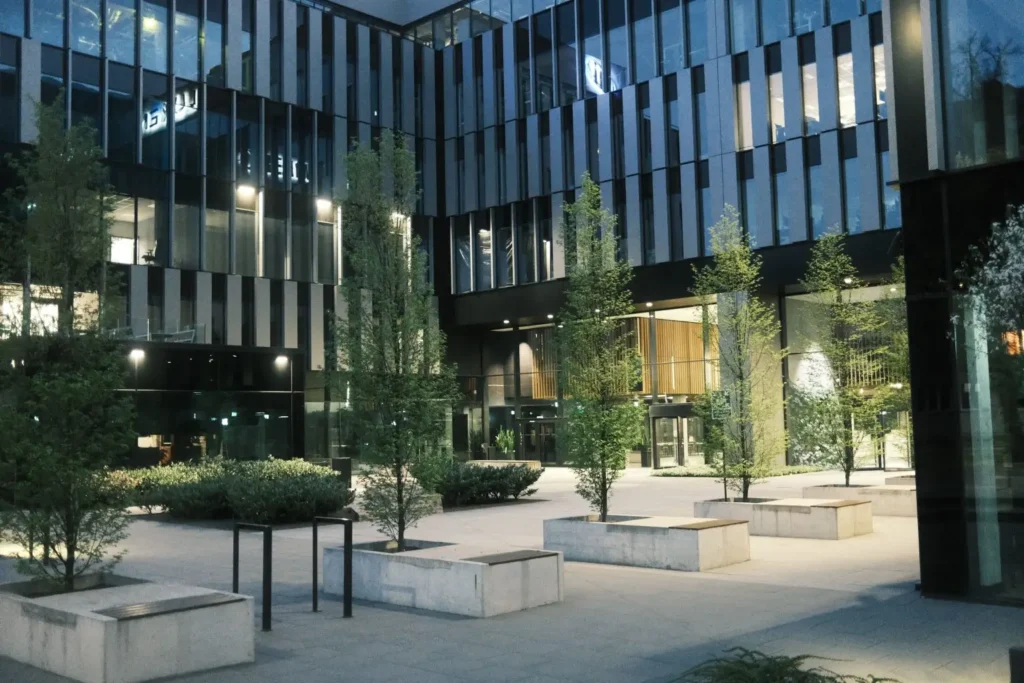
Modern commercial building exterior and landscaping enhancing property value


First Impressions Drive Real Value

When clients, tenants, or investors arrive at your property, they form an opinion within seconds. A well-executed commercial landscape installation signals professionalism, stability, and care.

Clean planting beds. Structured hardscape. Healthy trees and turf. These details communicate that the property is well managed. In competitive markets, that first impression can influence leasing decisions and buyer interest.

A neglected exterior, on the other hand, can reduce perceived value before someone even walks through the door.


Enhanced Curb Appeal Attracts Higher-Quality Tenants

Commercial properties thrive on occupancy and retention. One of the most overlooked ways to improve both is through professional landscaping.

A thoughtfully planned commercial landscape installation can:


Tenants want to operate in environments that reflect their brand. Employees prefer attractive surroundings. Customers feel more comfortable visiting well-maintained properties. All of these factors support stronger lease rates and longer tenant stays.


Strategic Design Maximizes Functionality


At Strathmeyer Landscape, we approach each installation with purpose. Landscaping is not random decoration. It should enhance the function of the space.

Through detailed planning and professional installation, we focus on:

Proper Site Preparation

Grading, drainage solutions, and soil preparation ensure long-term plant health and structural stability. Without proper groundwork, even beautiful landscapes can fail.

Durable Hardscapes

Walkways, patios, retaining walls, and gathering areas create structure and usability. These elements add tangible value because they improve how people interact with the property.

Smart Plant Selection

Selecting the right trees, shrubs, and plant materials for the climate and environment reduces maintenance costs and increases longevity. Mature trees, in particular, significantly boost property value over time.

A well-planned commercial landscape installation supports both beauty and performance.


Sustainability Reduces Long-Term Costs

Today’s property owners are increasingly focused on sustainability and operational efficiency. Professional landscaping plays a major role in both.

Strategic tree placement can lower cooling costs. Native plantings reduce irrigation needs. Thoughtful design minimizes runoff and erosion. These improvements help properties operate more efficiently and appeal to environmentally conscious tenants and investors.

When landscaping reduces long-term maintenance expenses, it directly impacts net operating income—and ultimately property value.


Increased Marketability When Selling

If you plan to sell your commercial property in the future, landscaping becomes even more important.

Buyers often compare properties quickly. A professional commercial landscape installation can differentiate your property in listing photos, drive more showings, and create emotional appeal during tours.

Well-maintained grounds suggest the entire property has been cared for. This perception can lead to stronger offers and smoother negotiations.


Consistency Strengthens Brand Identity

For multi-location businesses or corporate campuses, landscaping reinforces brand consistency. A polished exterior communicates reliability and attention to detail.

Professional commercial landscape installation ensures that plantings, layout, and design align with your overall property goals. This consistency supports tenant confidence and enhances the property’s reputation in the community.


Why Professional Installation Matters

DIY or piecemeal landscaping rarely delivers the same return. Professional installation ensures:


Our team at Strathmeyer Landscape focuses on delivering landscape installation solutions that are built to last. From initial design concepts to final planting and hardscape installation, we approach every project with precision and care.

When done correctly, commercial landscape installation is not an expense—it’s a value-building asset.


The Long-Term Financial Impact

Studies consistently show that professionally landscaped commercial properties command higher rental rates and improved occupancy. Landscaping can contribute significantly to perceived property value, often providing one of the strongest returns on exterior improvements.

More foot traffic. Higher tenant satisfaction. Reduced maintenance surprises. Stronger resale potential.

All of these outcomes begin with strategic, professional installation.


Invest in Commercial Landscape Installation

If you’re ready to increase property value through expert commercial landscape installation, Strathmeyer Landscape is here to help. Our experienced team understands how to design and install landscapes that elevate appearance, improve functionality, and deliver long-term returns.

Let’s create an outdoor environment that reflects the quality of your property and supports your investment goals. Contact Strathmeyer Landscape today to schedule a consultation and discover how professional commercial landscape installation can transform your property’s value.


Here’s something most commercial property owners figure out the hard way: May doesn’t wait for you. Contractor schedules fill up. Nursery stock gets claimed. The decent weather window that central Pennsylvania gives you between frost season and brutal July heat is shorter than it looks on a calendar.

We’ve been doing commercial landscaping in York County since 1996, and the clients who get the best results aren’t necessarily the ones with the biggest budgets. They’re the ones who make the call in April or early May, before the scramble starts. This post explains why that timing matters, what the work actually looks like on the front end, and what you should be asking any contractor before you sign off on a project this season.


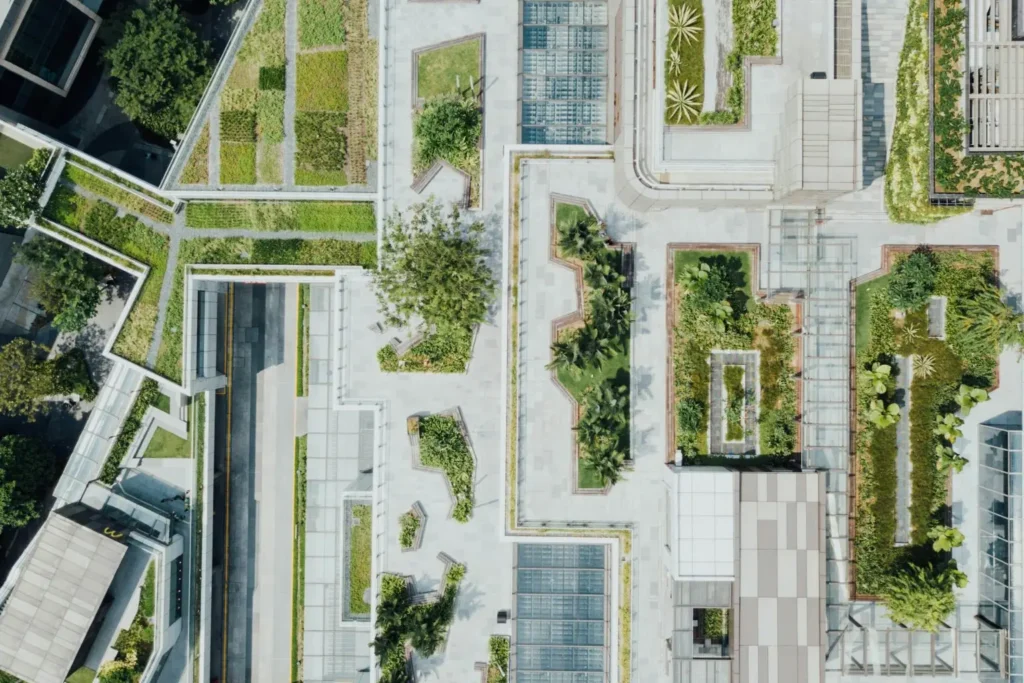
Aerial view of a commercial landscape installation project with green spaces and hardscaping.


May Is Genuinely the Best Month. Here’s Why.

People hear this and assume it’s a sales pitch. It’s not. The reasoning is pretty practical.

The ground in Dover and the townships around York usually dries out enough by the first week of May to support equipment without compacting the soil beneath. Soil temps are climbing into the 50s, which is the point where root growth actually kicks in for most shrubs, ornamental grasses, and perennials. And the stretch of heat that hits south-central PA in July and August, the kind that stresses newly installed plant material and spikes irrigation costs, is still seven or eight weeks off. That’s your window. Penn State Extension has documented the connection between spring root establishment and long-term transplant survival for decades, and the numbers make a real case for getting in the ground early.

Compare May to the other common options. June brings drier conditions, higher temperatures, and crews that are already booked into summer maintenance cycles. September planting gives you maybe six weeks before frost, which isn’t enough for many species to build the root mass they need to come back strong in spring. May is the window. It’s not marketing; it’s just timing.


One Thing Worth Knowing About York County Frost Dates

The average last frost here runs somewhere around mid-April, though I’ve seen late cold snaps stretch into early May in a rough year. By the 10th of May, the risk is low enough that installation crews can commit to full planting operations without hedging. Rainfall in May is usually consistent enough to help establishment without turning job sites into mud pits, which matters a lot when you’re trying to bring equipment in and out of a commercial property.


Installation Doesn’t Start With Planting. It Starts Weeks Earlier.

This is one of the most common misconceptions about commercial projects. Clients expect crews to show up with plants. What actually needs to happen first is a lot less photogenic, and it’s more important.


Grading and Drainage Come First

Water has to go somewhere, and on a commercial property, where it goes is as much a legal and liability question as a practical one. Before any plant material touches the soil, the site grade needs to direct runoff away from the foundation, toward drainage infrastructure, and away from adjacent properties. On commercial sites near the Route 30 corridor or in industrial areas off Industrial Drive in York, getting this wrong creates problems that show up in your first heavy storm and get worse from there.


Hardscape Has to Be Done First

Retaining walls, walkways, parking lot islands, plaza pavers, all of it has to be in place before the planting phase begins. That means coordinating with your general contractor or masonry subcontractor well in advance. May is actually a good month for that work too. Temps are reasonable, crews can put in full days, and concrete cures properly without summer heat accelerating it in unpredictable ways.

Strathmeyer works directly with GCs and construction managers to sequence all of this in the right order. It sounds simple, but it’s where a lot of commercial projects lose time. Having one company managing both installation and long-term maintenance means the people making the planting decisions are also accountable for what the site looks like two years from now.


Plant Selection for Commercial Sites Isn’t the Same Conversation as Residential

A homeowner can plant whatever they want and replace it if it dies. A commercial property owner is making a capital investment in plant material, and replacing mature shrubs or trees mid-contract is expensive and disruptive. The species selection conversation on commercial projects must account for factors such as foot traffic patterns, parking lot heat islands, salt spray from winter maintenance, and irrigation system constraints.

Most of York County falls in USDA Zone 6b according to the USDA Plant Hardiness Zone Map. That matters because plants marketed as Zone 7 hardy might survive a mild winter but get knocked back hard in a cold one. On commercial sites where replacement costs hit your maintenance budget, over-specifying for hardiness is almost always the right call.


Species That Hold Up Well on York County Commercial Sites


What Contractors Are Actually Looking for When They Read Your Landscape Specs

If you’re a construction manager or general contractor trying to bring a landscaper into a commercial project, the thing that most consistently slows everyone down is late engagement. Landscape gets treated as a Phase 3 item when it should be a Phase 1 conversation.

Here’s what a May kickoff actually looks like on a project targeting a fall certificate of occupancy: site walk and grading review in the first two weeks of May, hardscape sequencing confirmed with subs, and nursery stock reserved before peak summer demand drives the better material to other projects. None of that is complicated, but all of it requires lead time.

Strathmeyer has worked on commercial projects across York County from the northern townships down through Spring Grove and out toward the Route 74 corridor. The team understands how to fit landscape work into the broader construction sequence without delaying other trades or creating change orders.


Installation Choices Directly Affect What Maintenance Costs You Later

This gets skipped in a lot of conversations, but it matters. The density you plant at, the irrigation design you choose, the mulch depth, and whether you use turf or groundcover in a high-traffic area, all of these decisions at installation translate directly into your annual maintenance spend. A site that’s planted well in May of year one is cheaper to maintain in years two through ten than a site that was rushed or under-resourced at the start.

At Strathmeyer, commercial landscape installation and maintenance are treated as a connected process, not separate contracts with separate logic. The crew making planting decisions knows what the maintenance program looks like, which changes what they recommend. That’s the value of working with a single-source contractor over a long horizon.


Questions Worth Asking Before You Hire a Commercial Landscaping Contractor

Not all landscaping companies can handle commercial-scale installation. The equipment is different. The coordination demands are different. 

Here’s what to ask:


Strathmeyer Landscape has been operating out of Dover since 1996, locally owned and managed the whole time. No national franchise, no absentee ownership. The same team that quotes the project manages it through completion.


Call Us Before the Window Closes

May moves fast. If you have a commercial property in York County that needs landscape installation this season, the time to schedule a site walk is now, before the nursery stock you want is gone and before the crew calendar fills up with other projects.

Call Strathmeyer Landscape at (717) 292-6660 to set up a consultation. No obligation, just a conversation about your site, your timeline, and what it actually takes to get it done right.


Frequently Asked Questions


Why is May considered the best time for commercial landscaping installation in York County

The combination of thawed, workable soil, rising soil temperatures, and the buffer before summer heat makes May the most reliable planting window in central Pennsylvania. Plant material installed in May has roughly six to eight weeks to establish roots before temperatures push into ranges that stress new transplants. That establishment window is what separates plants that thrive from plants that just survive.


How long does a commercial landscape installation take from start to finish?

It varies a lot depending on the project scope. A perimeter planting and parking island project for a mid-size commercial site might run one to two weeks of active work. A full installation with grading, hardscape, irrigation, and phased planting on a larger site can take six to eight weeks from first mobilization. The pre-installation work, grading, and hardscape coordination often adds two to three weeks before visible planting begins.


What should I look for in a commercial landscaping contractor in York County, PA?

Commercial experience matters more than general landscaping experience. Look for contractors with their own equipment, a track record on comparable commercial projects, and a dedicated project manager rather than a shared crew foreman. Contractors who handle both installation and ongoing maintenance tend to make smarter long-term planting decisions because they’re accountable for the results after the project closes.


What does commercial landscape installation cost in Pennsylvania?

There’s a wide range depending on site size, species selection, hardscape scope, and irrigation requirements. Smaller commercial installs with straightforward planting plans can start around $15,000 to $40,000. Larger or more complex projects regularly run well over $100,000. The only way to get a reliable number is a site-specific proposal after a walk-through with your contractor.


Does quality commercial landscaping actually affect property value?

Research from the American Society of Landscape Architects indicates that well-maintained commercial landscaping supports higher lease rates and stronger property valuations compared to comparable properties with minimal exterior investment. The effect is most pronounced on retail and office properties where customer and tenant impressions matter, but it applies broadly across commercial property types.


What’s the difference between landscape installation and landscape maintenance?

Installation is the capital work: grading, hardscaping, planting, and irrigation setup. Maintenance is the ongoing operational work: mowing, pruning, fertilization, mulch refresh, and seasonal cleanup. The two are closely connected because installation decisions, plant density, species selection, and irrigation design directly shape what the maintenance program costs and requires year over year.


How do I get a commercial landscape installation quote from Strathmeyer Landscape?

Call (717) 292-6660 to set up a site walk. Strathmeyer covers York County and the surrounding Mid-Atlantic region. The team will assess your property, talk through your project goals and schedule, and put together a detailed proposal. Earlier in the season is better, both for scheduling and for plant material availability.


About the Author


The Strathmeyer Landscape Team | Strathmeyer Landscape
Dover, PA | Commercial Landscaping Installation, Maintenance & Design Specialists

The Strathmeyer Landscape Team provides full-service commercial landscaping solutions throughout York County and the Mid-Atlantic region. Headquartered in Dover, Pennsylvania, and founded in 1996, the company is locally owned and managed with a strong focus on delivering dependable landscape installation, maintenance, and design services. Their work is tailored to meet the needs of each property, whether it is an industrial site requiring low-maintenance solutions or a retail space designed to enhance curb appeal and customer experience.

Strathmeyer Landscape takes pride in being a single-source partner for all landscape needs, supporting construction managers, general contractors, and property owners with better coordination and consistent results. With experience across landscape construction, maintenance, and design, the team is committed to delivering practical, high-quality solutions built on reliability, local expertise, and long-term value.